

Top 20 Automotive Brands in the World: CNC Manufacturing Perspective
The top automotive brands matter to parts buyers because they show where vehicle design, lightweight materials, EV platforms, thermal systems, interior hardware, and precision manufacturing are moving. This guide ranks 20 globally influential automotive brands from a CNC manufacturing perspective. It is not a copied sales chart or a stock brand encyclopedia. Instead, it looks at each brand through the lens of what engineers, sourcing teams, and custom parts buyers can learn from modern automotive production.
Automotive manufacturing depends on many precision components: aluminum housings, brackets, sensor mounts, battery fixtures, heat sink bases, steering and suspension prototypes, inspection gauges, assembly jigs, threaded inserts, sealing faces, and small functional parts that must remain consistent from prototype to batch production. Whether a brand focuses on EVs, luxury vehicles, off-road platforms, trucks, sports cars, or mass-market hybrids, the same manufacturing questions appear: Can the part hold tolerance? Can it be inspected? Can the finish survive assembly? Can the supplier repeat it?
Quick Comparison of the 20 Automotive Brands
| Rank | Brand | Manufacturing Signal | Typical CNC Parts Relevance |
|---|---|---|---|
| 1 | Toyota | Scale, reliability, hybrid systems | Fixtures, brackets, housings, inspection gauges |
| 2 | Mercedes-Benz | Luxury engineering, interior quality, safety systems | Cosmetic aluminum parts, precision mounts, prototype hardware |
| 3 | BMW | Performance platforms and lightweight structures | Aluminum brackets, chassis prototypes, sensor mounts |
| 4 | Tesla | EV integration, battery and thermal management | Battery fixtures, cooling plates, lightweight aluminum parts |
| 5 | Honda | Efficient powertrains and practical engineering | Engine prototypes, brackets, jigs, small batch components |
| 6 | Hyundai | Fast EV development and global production | EV housings, structural brackets, thermal management parts |
| 7 | BYD | Battery-led EV manufacturing | Battery tooling, busbar support parts, aluminum enclosures |
| 8 | Volkswagen | Platform scale and modular vehicle architecture | Assembly fixtures, locating blocks, prototype plates |
| 9 | Ford | Trucks, EV transition, commercial vehicles | Robust brackets, machined adapters, inspection tooling |
| 10 | Chevrolet | Mass-market vehicles, trucks, performance models | Mounting plates, drivetrain prototypes, fixture parts |
| 11 | Audi | Premium interiors, lighting, electric platforms | Cosmetic CNC parts, aluminum housings, optical mounts |
| 12 | Porsche | Performance, lightweight structures, precision fit | 5-axis prototypes, suspension hardware, test fixtures |
| 13 | Kia | EV expansion and high-volume global design | Enclosures, brackets, trim tooling, production gauges |
| 14 | Nissan | EV history and global vehicle platforms | Battery prototypes, motor mounts, machined fixtures |
| 15 | Lexus | Refined quality and quiet luxury details | Interior hardware, cosmetic parts, precision assemblies |
| 16 | Ferrari | High-performance, low-volume precision | Complex prototypes, lightweight aluminum/titanium parts |
| 17 | Volvo | Safety, electrification, structural systems | Sensor brackets, safety-system fixtures, aluminum parts |
| 18 | Mazda | Driving feel, compact engineering, design quality | Prototype plates, brackets, interior and test components |
| 19 | Subaru | AWD layouts and rugged mechanical packaging | Drivetrain fixtures, brackets, adapter plates |
| 20 | Jeep | Off-road durability and utility platforms | Heavy-duty brackets, mounting blocks, corrosion-aware parts |
1. Toyota

Toyota stays near the top because it combines global scale with a reputation for reliability, hybrid technology, and disciplined production systems. For manufacturing buyers, Toyota is a reminder that quality is not only about one precise part. It is about repeatable fixtures, stable inspection methods, controlled suppliers, and low variation across thousands of assemblies.
From a CNC perspective, Toyota-style production thinking points toward practical tolerance control, clear datums, inspection gauges, and robust brackets or housings that do not create assembly surprises. Custom parts for automotive programs often need CMM inspection, FAI approval, and batch consistency more than extreme tolerance everywhere.
2. Mercedes-Benz

Mercedes-Benz represents premium engineering, safety systems, refined interiors, and strong brand value. Its vehicles show how visible surfaces, tactile details, sensor integration, and structural quality all matter at the same time. A luxury vehicle does not allow rough edges, inconsistent anodizing, or sloppy assembly interfaces.
For CNC buyers, this means cosmetic aluminum parts, precise mounting features, clean deburring, and surface finish control are important. If a machined part will be visible in a cabin, near a lighting module, or inside a high-end prototype, tool marks, edge breaks, and coating consistency should be defined before machining.
3. BMW

BMW is closely associated with driving dynamics, powertrain performance, and lightweight vehicle architecture. Its brand direction shows why aluminum, high-strength steel, carbon fiber composites, and precise chassis interfaces remain important even as vehicles become more electric and software-defined.
For CNC machining, BMW-type applications often translate into lightweight brackets, sensor mounts, suspension test parts, heat control hardware, and prototype structures where stiffness and weight must be balanced. Thin-wall aluminum machining, stable fixturing, and controlled flatness are often more valuable than simply making a part look complex.
4. Tesla

Tesla pushed EV manufacturing into the center of the automotive industry. Its influence is visible in battery packs, thermal management, integrated electronics, structural castings, charging hardware, and rapid platform updates. Even suppliers outside Tesla programs can learn from the pressure for shorter development cycles and lighter assemblies.
CNC parts for EV-related work often include battery test fixtures, liquid cooling plates, busbar support hardware, inverter housings, connector brackets, and sensor mounts. These parts need clean edges, insulation clearance, flat sealing faces, and careful inspection because small dimensional issues can affect safety, heat transfer, or assembly time.
5. Honda

Honda has long been known for efficient engineering, powertrain development, motorcycles, hybrids, and practical global vehicles. Its manufacturing identity is not only about mass production. It is also about compact packaging, reliability, and functional design that serves real users.
For a CNC shop, Honda-type programs often involve small precision brackets, prototype engine or motor hardware, assembly jigs, inspection fixtures, and aluminum components that need stable threads and clean mounting faces. The best results come when engineers define critical features instead of over-tolerancing every surface.
6. Hyundai

Hyundai has become a major global force through strong design, fast EV development, and broad manufacturing reach. Its vehicles show how mainstream brands are moving quickly into electric platforms, connected interiors, advanced lighting, and modular architectures.
That shift creates demand for CNC aluminum housings, thermal management parts, battery fixtures, radar and camera mounts, and prototype trim or interior hardware. Suppliers need to understand both functional tolerance and appearance requirements because EV platforms often combine visible design features with tightly packed electronics.
7. BYD

BYD is one of the most important EV and battery-led automotive brands. Its growth shows how battery technology, vertical integration, charging systems, and electric buses or passenger cars can reshape the supply chain. For buyers, BYD is a signal that battery-related tooling and precision electrical hardware will keep growing.
Typical CNC-related needs include battery module fixtures, aluminum enclosures, connector support blocks, cooling plates, electrical isolation hardware, and inspection tools for battery assembly. For these parts, burr control, surface cleanliness, flatness, and repeatable hole position can be more important than decorative complexity.
8. Volkswagen

Volkswagen is important because of its platform strategy, global volume, and wide model range. Modular vehicle architecture changes how parts are designed and sourced: one platform can require many brackets, fixtures, test parts, and assembly tools across several models.
For CNC manufacturing, platform thinking rewards repeatable machining, good documentation, and inspection plans that can scale from prototype to production support. Adapter plates, locating blocks, bracket families, and checking fixtures should be designed so small changes do not restart the whole manufacturing process.
9. Ford

Ford remains a key automotive brand because of trucks, commercial vehicles, performance models, and electrification. Its product mix reminds suppliers that automotive parts must sometimes handle load, vibration, outdoor corrosion, repeated service, and rugged assembly conditions.
CNC parts for Ford-like programs may include steel or aluminum brackets, machined adapters, drivetrain test parts, fixture plates, and production support hardware. Material choice matters: 6061 aluminum may work for many light parts, while stainless steel or higher-strength alloys may be needed for wear, corrosion, or load.
10. Chevrolet
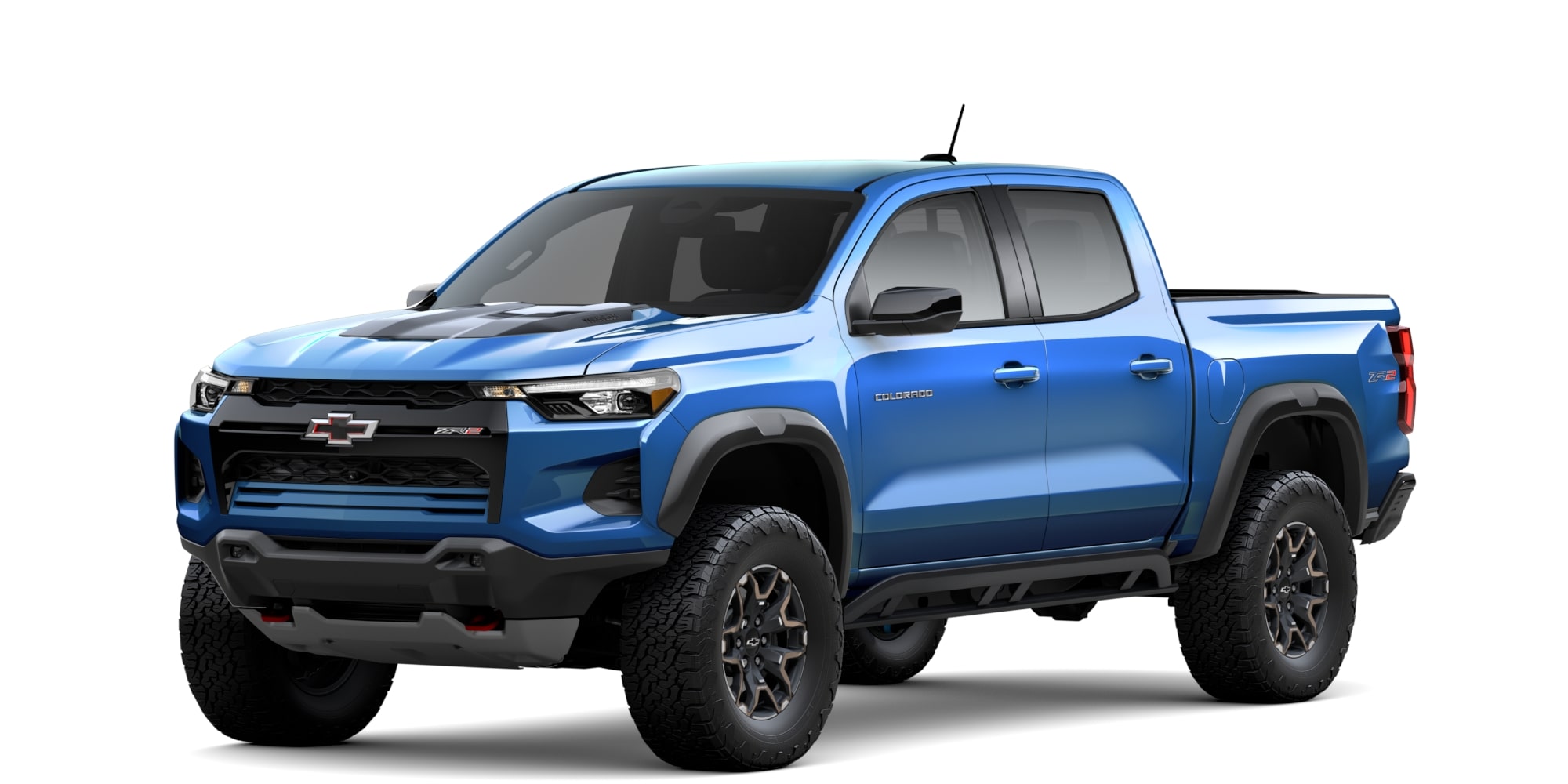
Chevrolet covers mass-market vehicles, trucks, performance cars, and EV development. Its range shows the variety of parts that automotive suppliers must support: lightweight trim hardware, structural brackets, drivetrain-related prototypes, off-road components, and electrical system mounting parts.
For CNC work, Chevrolet-type projects often benefit from DFM review before quoting. If a bracket has deep pockets, tight hole position, threaded inserts, or anodized surfaces, the supplier should confirm which surfaces are functional and which are cosmetic before cutting material.
11. Audi

Audi is known for premium design, lighting technology, interiors, quattro heritage, and electric vehicles. Its brand position highlights the connection between function and appearance. A part may need to mount a sensor accurately while also looking clean behind a grille, inside a cabin, or near a visible trim surface.
For CNC aluminum parts, this means tool marks, edge finish, anodizing color, and scratch control can be part of the quality requirement. When a part is cosmetic and functional, DAXIN recommends defining the visible surface, acceptable tool marks, surface roughness, and packaging method before production.
12. Porsche

Porsche represents performance engineering, lightweight structures, precision assembly, and a strong connection between racing culture and road vehicles. Low-volume performance development often needs fast prototype iteration without losing measurement discipline.
For CNC machining, Porsche-like requirements may involve 5-axis prototypes, suspension test parts, aluminum or titanium brackets, aerodynamic fixture hardware, and tight inspection of functional datums. The challenge is not only machining complexity, but controlling fit after heat, vibration, finishing, and assembly.
13. Kia

Kia has moved strongly into global design, EV platforms, and high-volume vehicle programs. The brand shows how mainstream vehicles now require advanced interiors, battery packaging, lightweight components, and precise assembly features that once belonged mostly to premium segments.
For CNC suppliers, Kia-style programs point toward flexible production support: short-run prototypes, fixture parts, aluminum enclosures, trim tooling, and inspection gauges. Speed matters, but not at the expense of thread quality, flatness, hole position, or finish consistency.
14. Nissan

Nissan is important for global platforms, EV history, practical passenger vehicles, and performance nameplates. The brand reminds buyers that automotive manufacturing is rarely one process. It mixes stamping, casting, injection molding, CNC machining, welding, electronics, and inspection into one supply chain.
CNC parts related to Nissan-style development may include battery prototypes, motor mounts, bracket sets, sensor holders, and assembly aids. Good suppliers help engineers decide when to machine from billet, when to simplify geometry, and when a fixture or gauge is the real part that needs attention.
15. Lexus

Lexus is associated with quietness, refined interiors, careful assembly, and long-term quality. Its manufacturing lesson is that small defects become more visible when the vehicle promises refinement. A burr, sharp edge, mismatched finish, or loose fit can damage the user experience.
For CNC parts, Lexus-type expectations call for stable cosmetic finishing, clean chamfers, reliable threaded features, and inspection beyond simple outside dimensions. Parts used in cabin hardware, test rigs, or luxury prototypes should be handled and packaged as carefully as they are machined.
16. Ferrari

Ferrari stands for high-performance, low-volume precision, advanced materials, and extremely strong brand identity. Its manufacturing world is different from mass-market production, but the need for controlled machining, lightweight design, and beautiful finishing is very relevant to custom CNC work.
Ferrari-type projects may involve complex prototype brackets, titanium parts, aluminum housings, performance test fixtures, and small batches where every part is inspected carefully. For these jobs, machining strategy, fixture access, surface finish, and documentation matter as much as fast delivery.
17. Volvo

Volvo is closely tied to safety, electrification, and clean Scandinavian design. Safety systems increase the importance of sensor placement, bracket stiffness, repeatable assembly, and environmental durability. A camera, radar, or structural sensor mount is only useful if its position remains stable.
For CNC machining, Volvo-like applications include sensor brackets, safety-system fixtures, aluminum housings, test plates, and corrosion-aware components. Inspection should focus on datum relationships, hole position, flatness, and the final condition after coating or surface treatment.
18. Mazda

Mazda focuses on driving feel, efficient packaging, and design quality. Its brand reminds manufacturers that smaller vehicle programs still need disciplined engineering. Compact parts often have less room for tolerance stack-up, tool access, or oversized fasteners.
CNC parts for Mazda-type projects may include prototype plates, compact brackets, test equipment, interior hardware, and machined fixtures. Engineers can reduce cost by allowing practical radii, enough wall thickness, and clear inspection points instead of forcing difficult geometry into every corner.
19. Subaru

Subaru is known for all-wheel-drive platforms, practical outdoor positioning, and distinctive mechanical layouts. Its vehicles show the importance of packaging around drivetrain components, suspension geometry, underbody durability, and environmental exposure.
For CNC suppliers, Subaru-type work may involve drivetrain fixtures, adapter plates, rugged brackets, mounting blocks, and inspection tools. Parts may need corrosion-resistant material, strong threads, reliable edge breaks, and enough stiffness to survive vibration and outdoor use.
20. Jeep

Jeep closes this list because off-road vehicles make durability visible. Mounting points, brackets, underbody hardware, protective plates, and accessory interfaces must deal with dirt, vibration, load, water, and repeated service. Cosmetic finish still matters, but mechanical robustness comes first.
CNC parts for Jeep-like applications may require thicker sections, larger fasteners, stainless steel or coated aluminum, controlled flatness on mounting faces, and clear deburring. If the part will be exposed outdoors, material and surface treatment should be reviewed before the quote is finalized.
What Automotive Brands Teach CNC Parts Buyers
The 20 brands above compete in different markets, but they point to the same manufacturing priorities. EV brands increase demand for battery fixtures, cooling plates, busbar supports, and lightweight enclosures. Luxury brands raise expectations for cosmetic machining, anodizing, brushing, and edge finish. Truck and off-road brands remind engineers to consider load, corrosion, and serviceability. Performance brands make weight, stiffness, and precise fit more important.
For buyers, the practical lesson is simple: do not send only a CAD file and hope the supplier guesses the real function. Share the material requirement, quantity, surface finish, critical tolerances, thread standard, coating plan, and inspection expectations. If a part has a visible face, a sealing surface, a press-fit bore, or a safety-related datum, mark it clearly. A CNC factory can then quote more accurately and reduce rework risk.
How DAXIN Supports Automotive CNC Machining
DAXIN provides CNC machining services for automotive prototypes, fixtures, jigs, small-batch components, aluminum housings, sensor mounts, brackets, inspection tools, and custom mechanical parts. Our machining work can include aluminum, stainless steel, brass, engineering plastics, steel, titanium, and surface treatment coordination such as anodizing, passivation, black oxide, plating, bead blasting, and polishing.
For automotive projects, we focus on functional manufacturing details: datum design, hole position, flatness, threaded holes, thin-wall machining, deburring, surface finish, CMM inspection, FAI, and batch consistency. Useful related DAXIN resources include CNC machining services, CNC machining tolerances, 6061 aluminum CNC machining, lightweight precision parts, and surface treatment after CNC machining.
FAQ
Is this ranking based only on vehicle sales?
No. This ranking is organized for manufacturing and sourcing readers. It considers global influence, brand strength, platform relevance, EV direction, vehicle variety, and what each brand signals for CNC machined automotive parts.
Why include official homepage images?
Homepage images show how each brand presents its current vehicles and market direction. They also help buyers quickly recognize the brand while reading the manufacturing notes. Each H2 links to the official website for reference.
What CNC materials are common for automotive parts?
6061 aluminum, 7075 aluminum, stainless steel, carbon steel, brass, engineering plastics, and titanium can all appear in automotive prototypes, fixtures, housings, brackets, and test equipment. The right material depends on load, weight, corrosion, heat, finish, and cost.
Can DAXIN make production automotive parts?
DAXIN can support prototypes, small batches, fixtures, inspection tools, and custom CNC parts. For production parts, the best starting point is a CAD file, 2D drawing, material requirement, tolerance notes, finish requirement, and expected quantity.
CTA
Need custom automotive CNC parts, brackets, fixtures, or prototype hardware? Upload your CAD file or get a quote. DAXIN can review your material, tolerance, surface finish, inspection, and batch production requirements before machining.